Topo
Location
Gaia, Portugal
Gaia, Portugal
Area
15,700m2
15,700m2
Start
2022
2022
Status
On-going
On-going
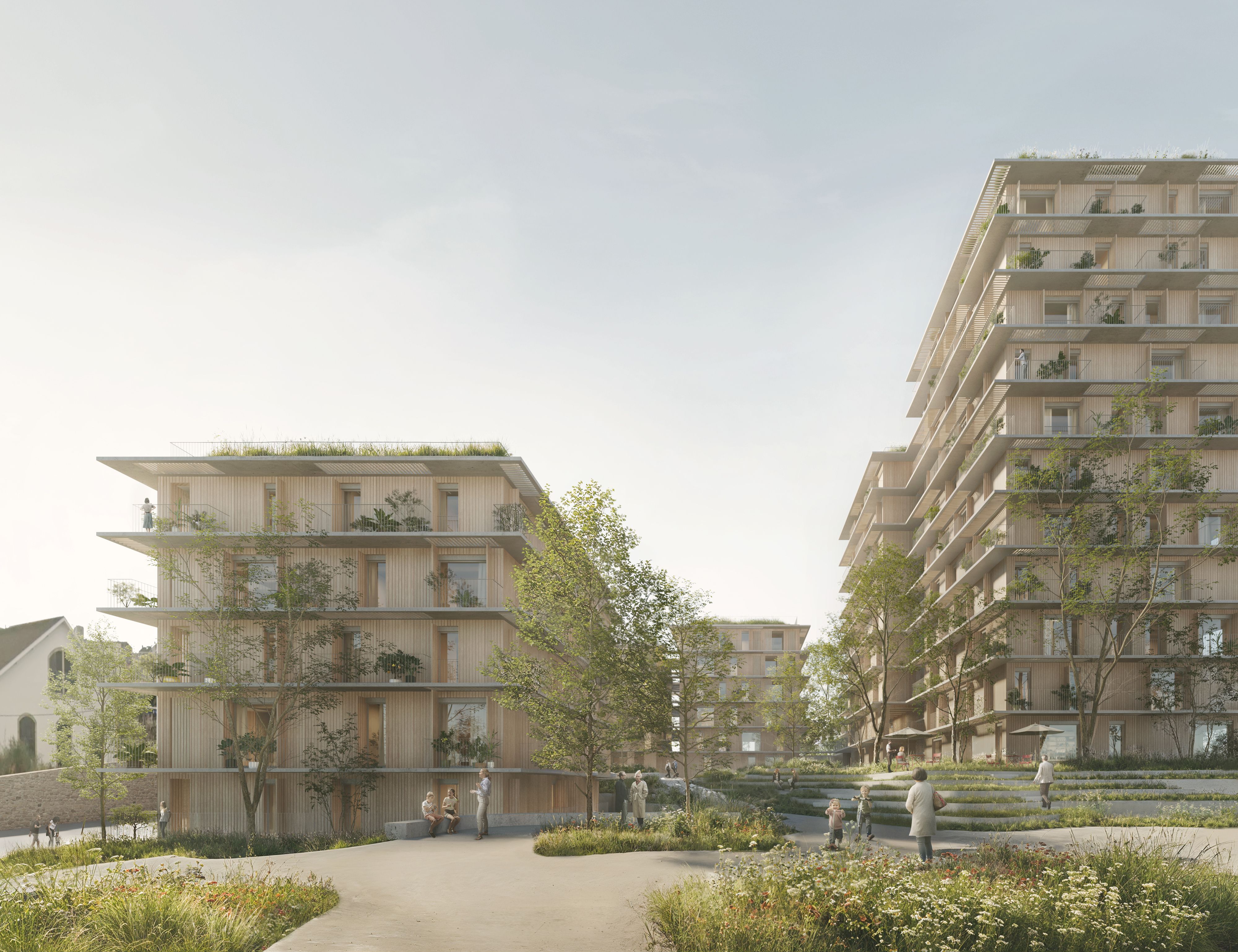
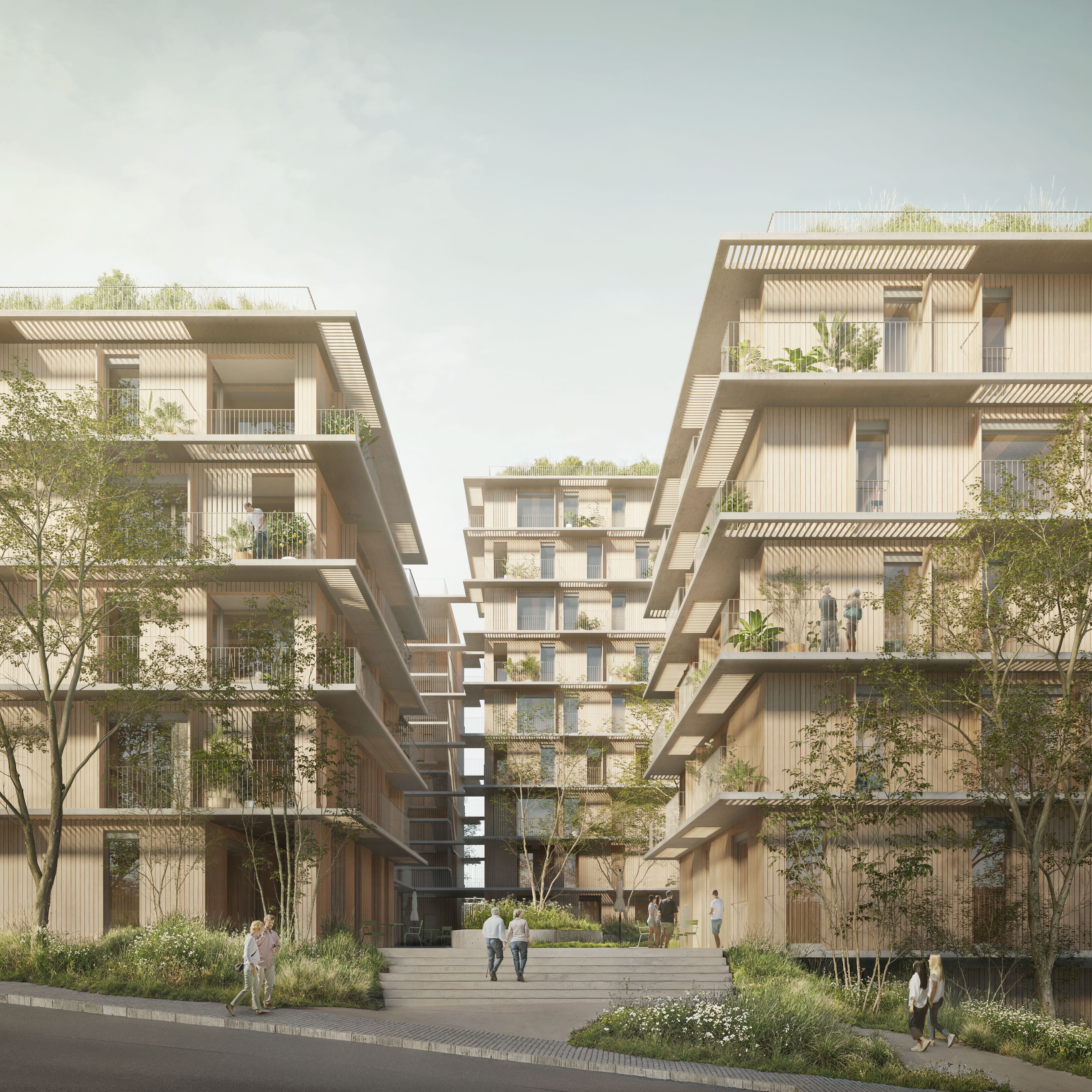
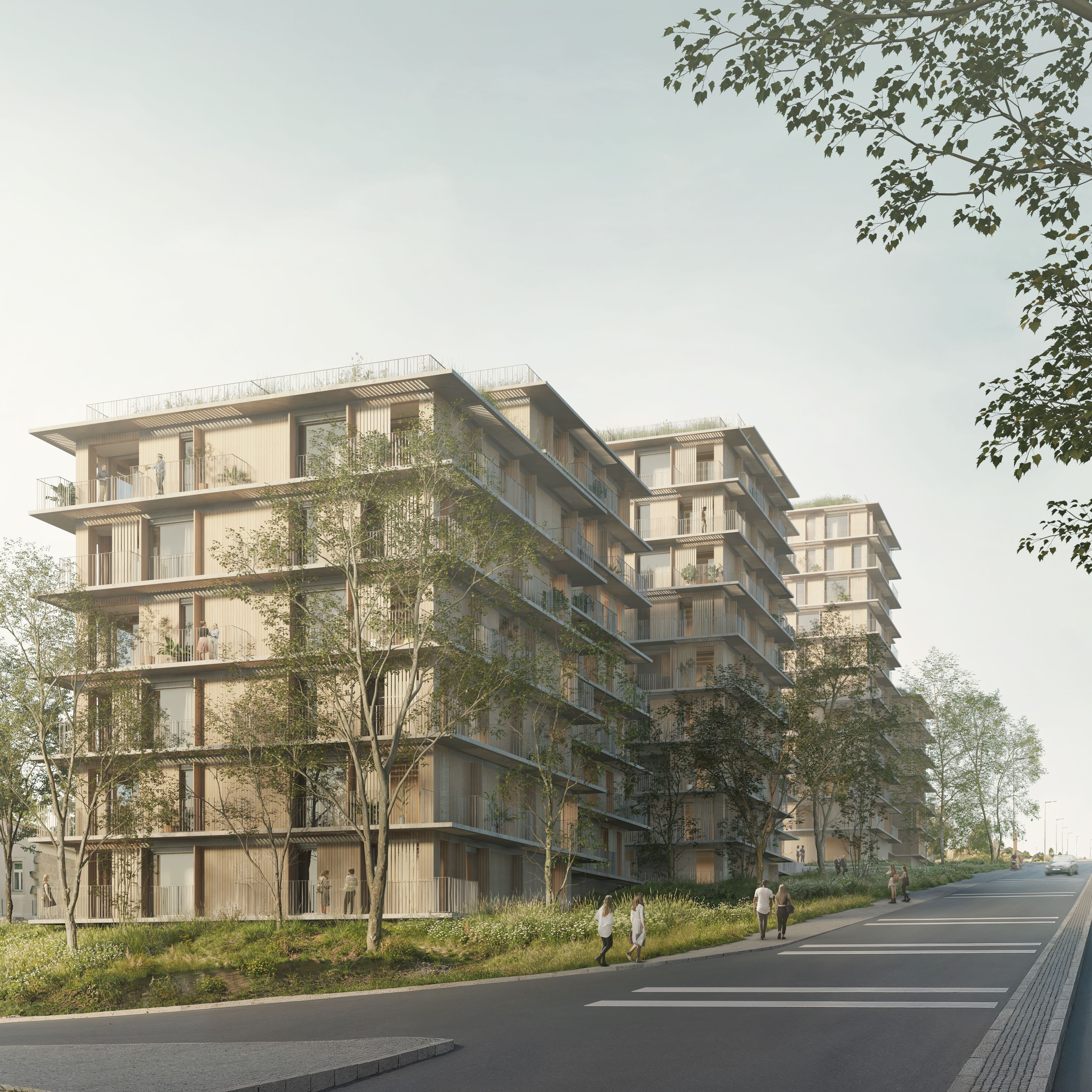
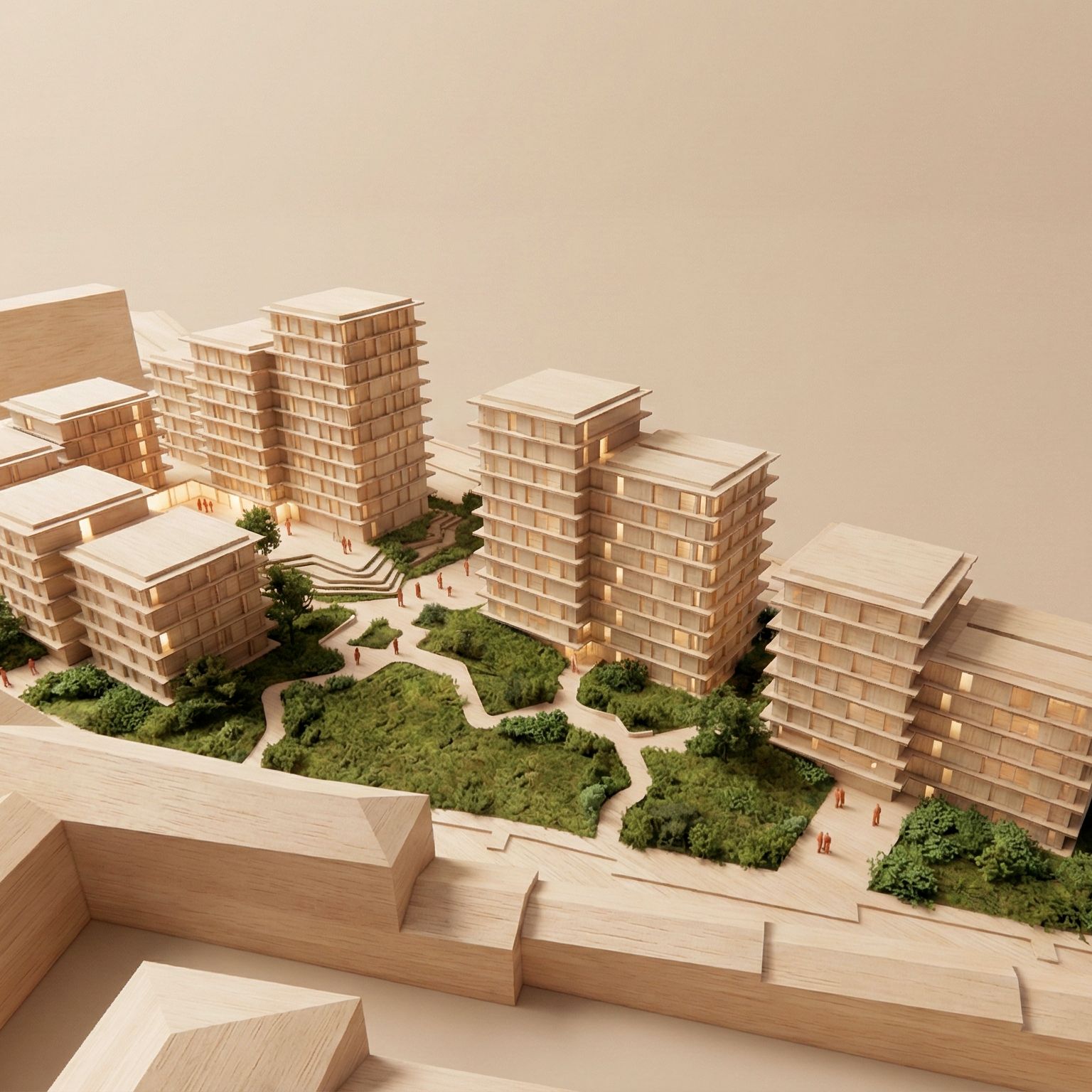
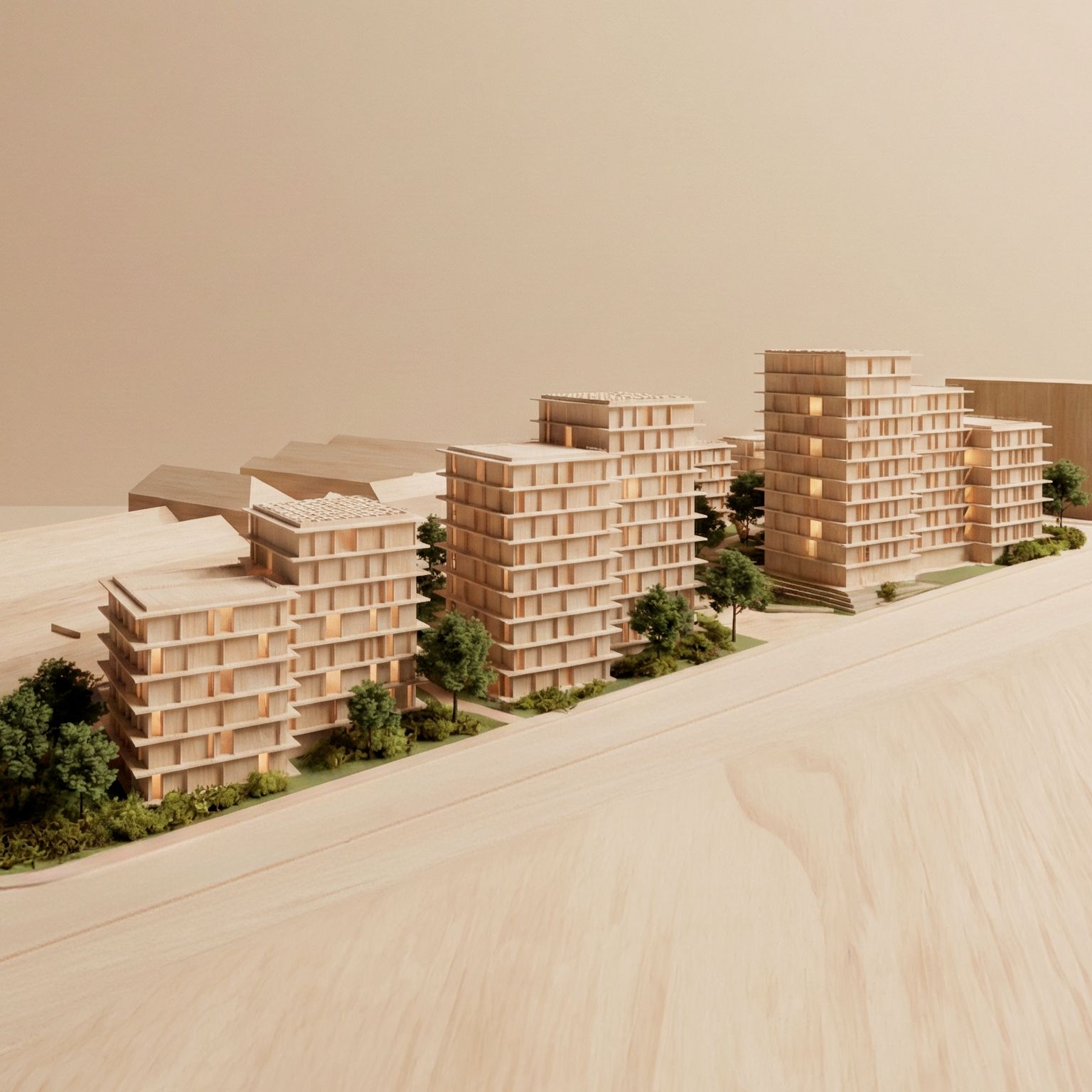
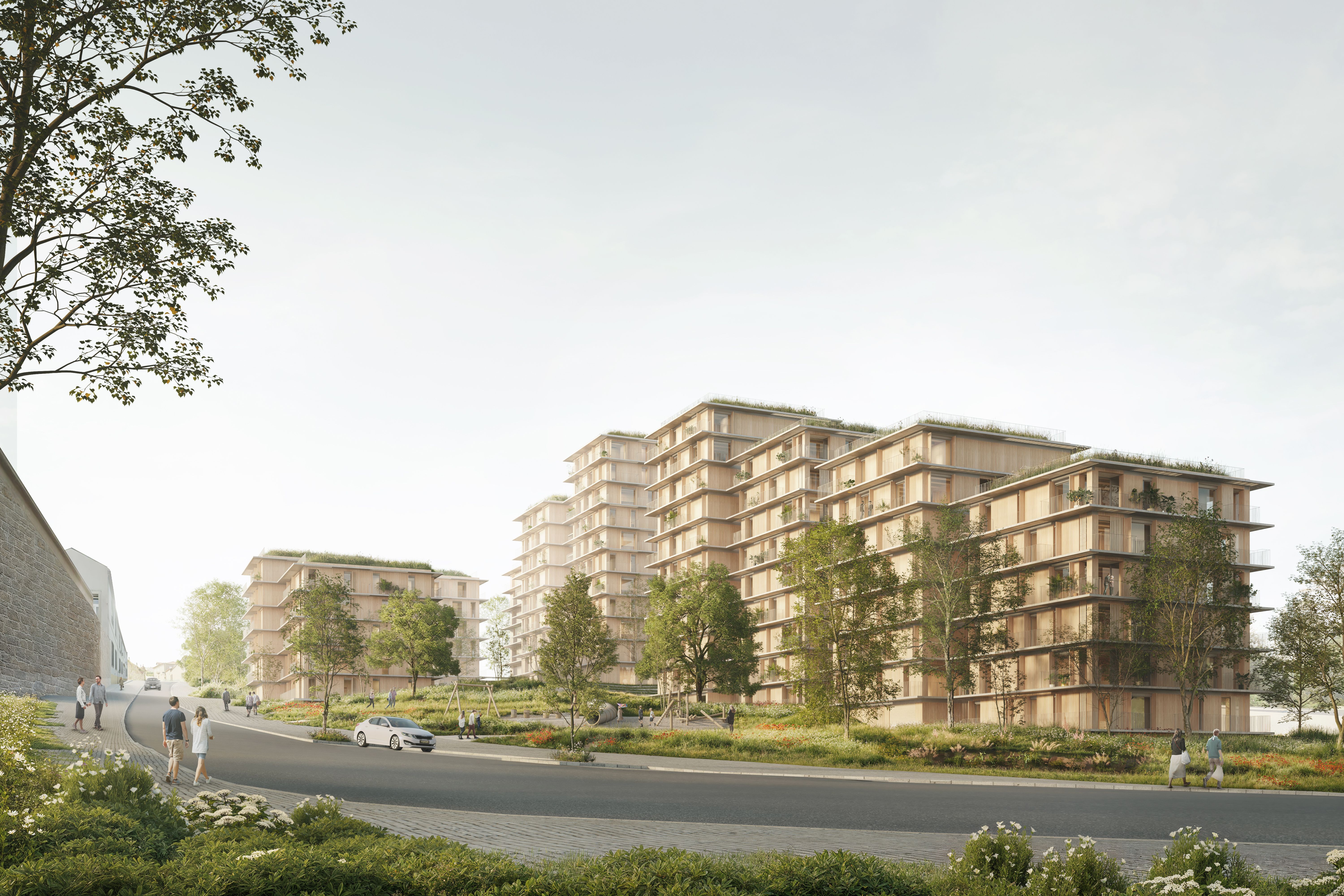
This master plan was developed through constant collaboration between the municipality and various landowners, shaping a cohesive urban expansion that aligns with municipal regulations. The project incorporates a new street network, site infrastructure, and urbanization works to ensure seamless integration with the city plans for the area. By reorganizing the land, the intervention creates a more structured urban fabric with residential and commercial prospects in a prime location connected to Porto.
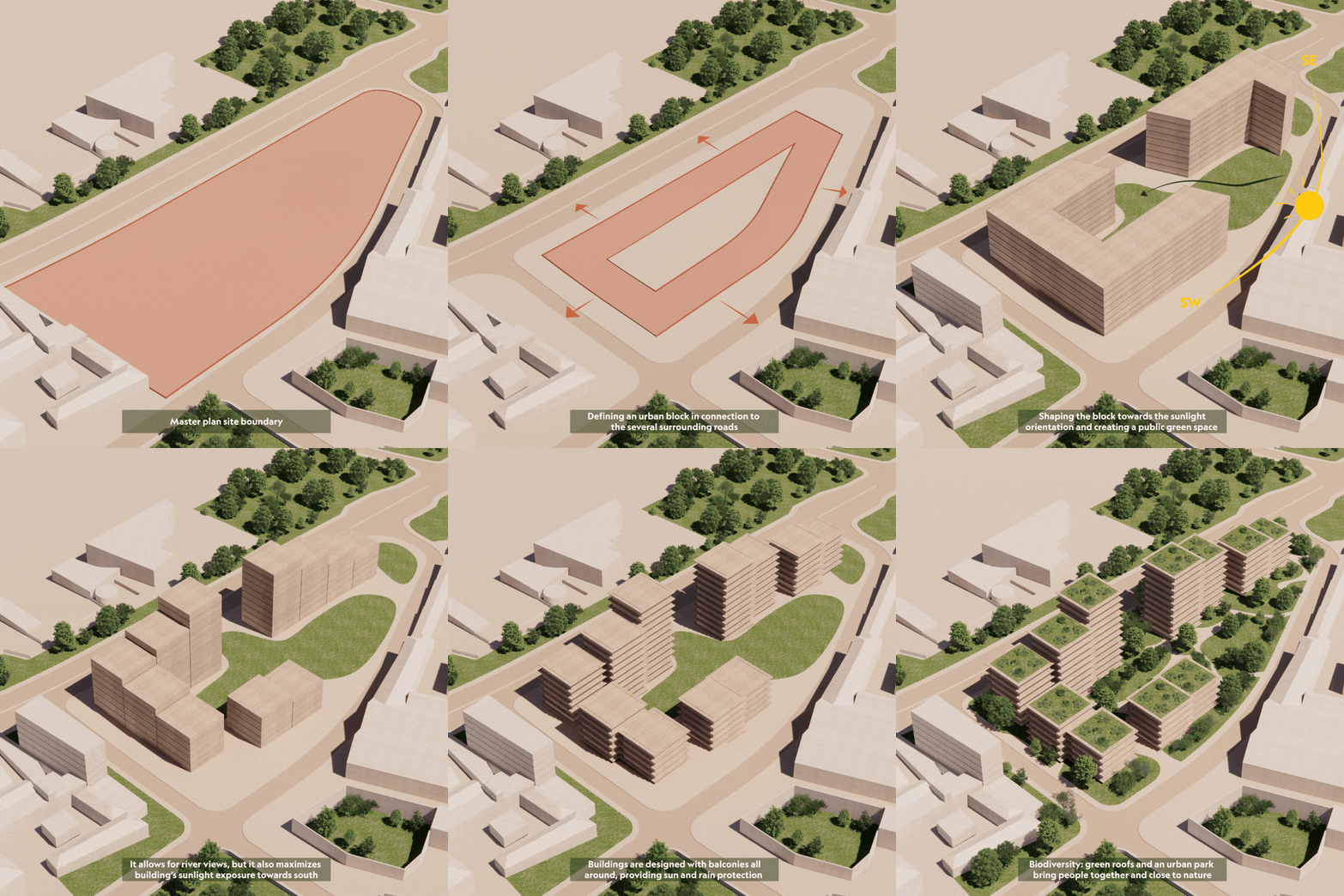
The goal is to design a master plan and buildings that respect and integrate with the surrounding context. The site is defined by a high–speed avenue on one end, marking its urban growth and scale transition. In contrast, the other end features heritage industrial buildings and a smaller–scale character. To mediate between these contrasts, the project adopts a terraced design, lowering in height where it meets the smaller–scale surroundings and increasing towards the broader urban avenue. The urban arrangement prioritizes land occupation efficiency, with separate blocks relating to the surrounding streets, allowing for repetition, standardization, and modularity while minimizing soil occupation. This strategy leaves space for a public park, fostering social interaction, biodiversity, and accessible public space—an open green area for the city.
At the street level, commercial spaces support local businesses, such as kindergartens, grocery stores, and fitness studios, fostering a self–sufficient, walkable neighborhood. Coworking spaces further enhance the mixed–use dynamic, reducing reliance on transportation. Thoughtfully integrated pedestrian access points ensure inclusive mobility, while terrain–sensitive design minimizes extensive earthworks, allowing the natural landscape to shape the urban experience.
The project embraces a modular and prefabricated construction system, optimizing building efficiency, quality control, and sustainability while reducing on–site construction time to accelerate housing availability—a crucial response to the current housing shortage. The choice of materials prioritizes low–emission solutions, such as thermally modified wood (Thermowood) for façades, ensuring durability, energy efficiency, and harmony with the green surroundings. Green roofs provide an additional and natural elevation to the building structure, furnishing the apartments with private or shared terraces, added amenities and serving as an isolation buffer.
Aligned with the European Taxonomy principles, the development integrates passive design strategies, biodiversity–focused landscaping, and resource–efficient materials to minimize its environmental footprint. By promoting sustainable urbanism, enhanced public spaces, and efficient construction practices, this project shapes a resilient, forward–thinking neighborhood where contemporary living, ecological responsibility, and social well–being coexist.