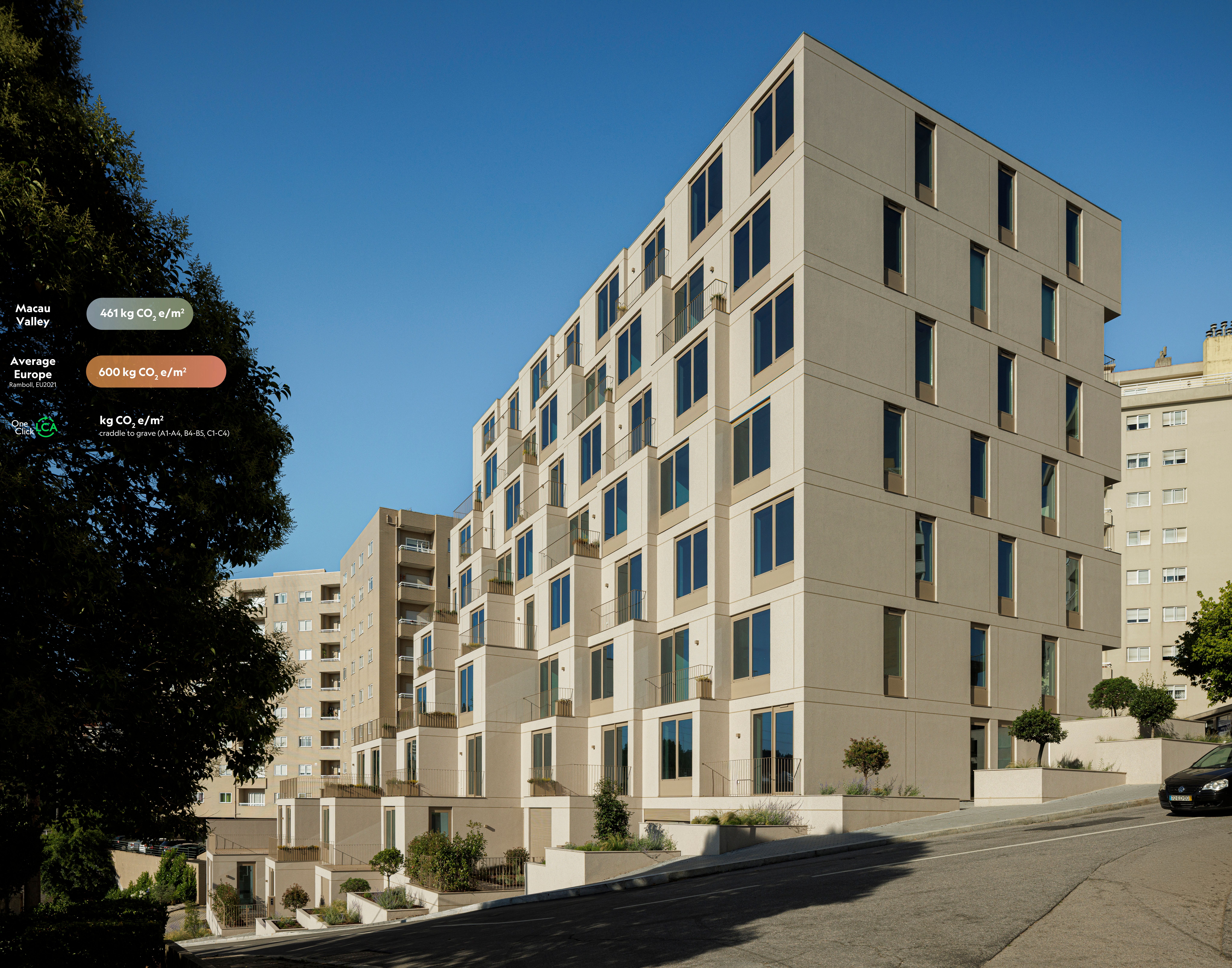
Macau Valley
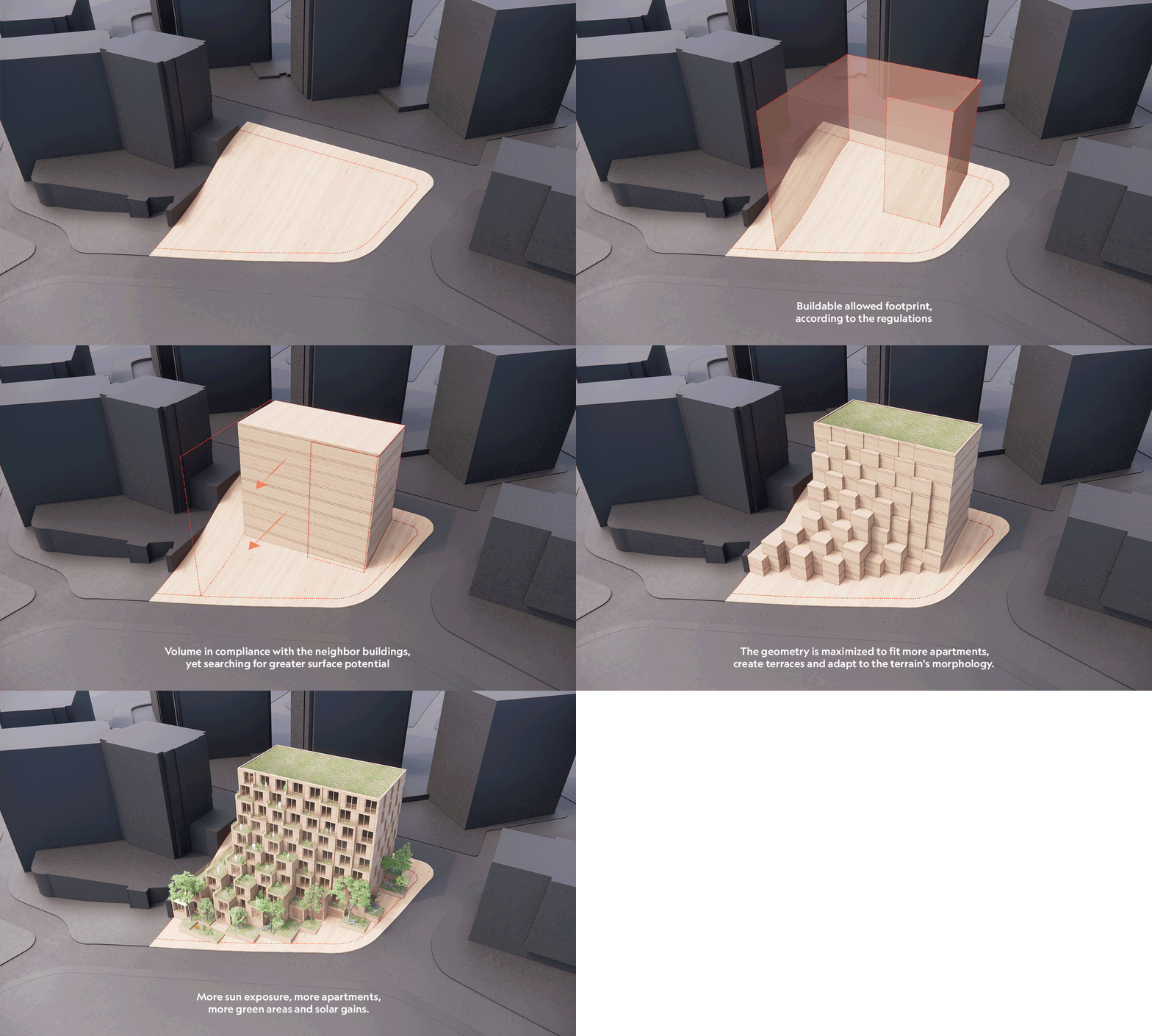
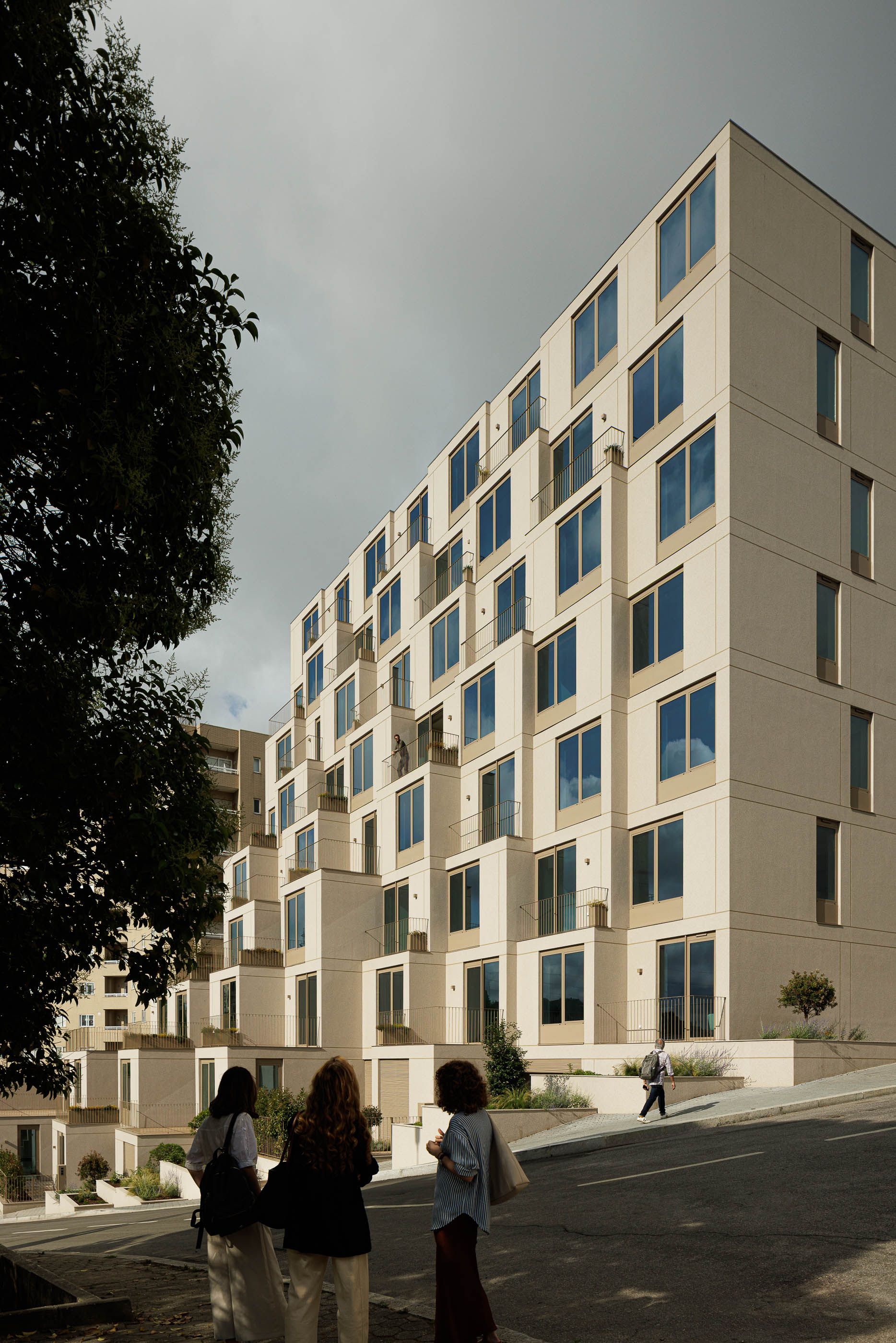
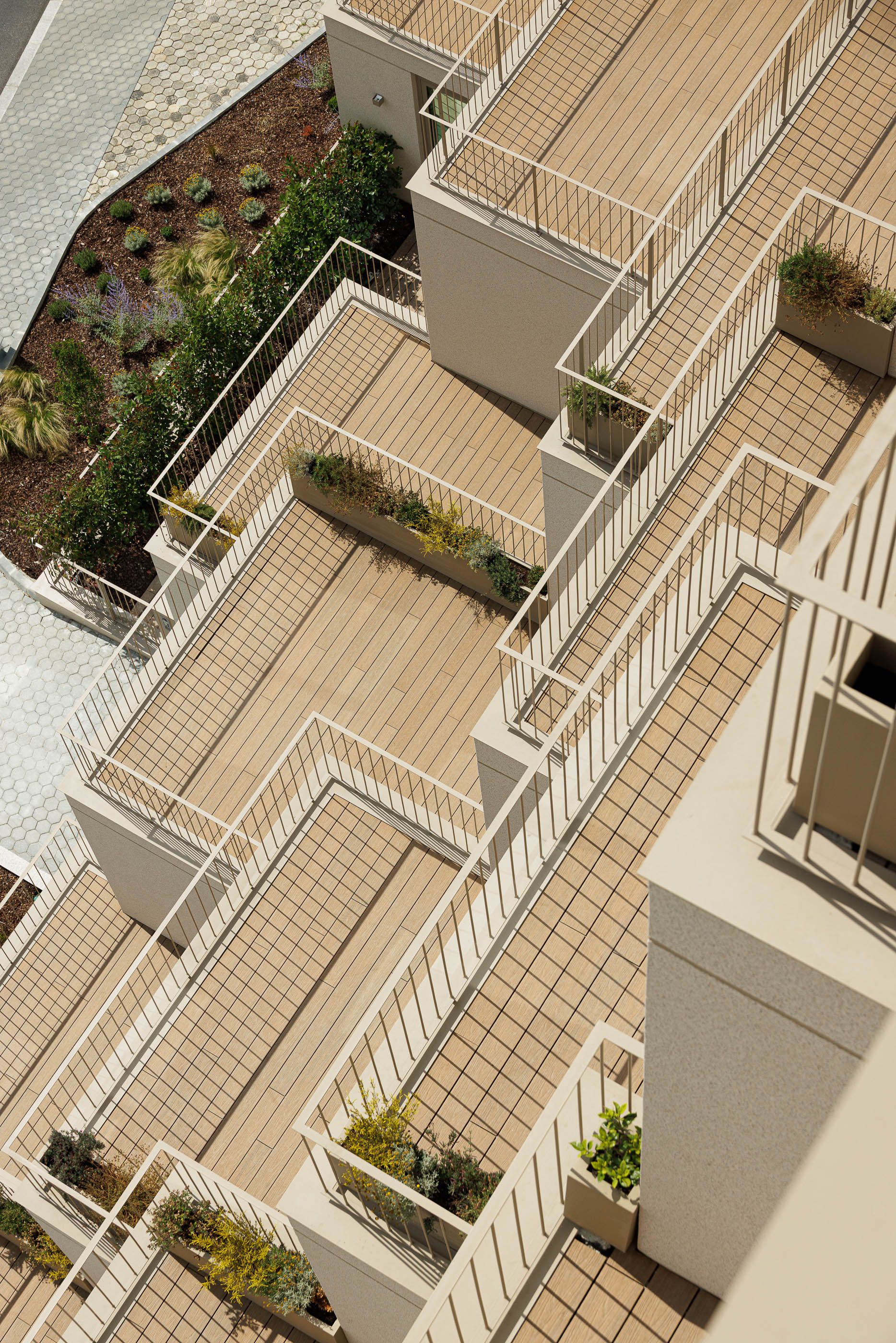
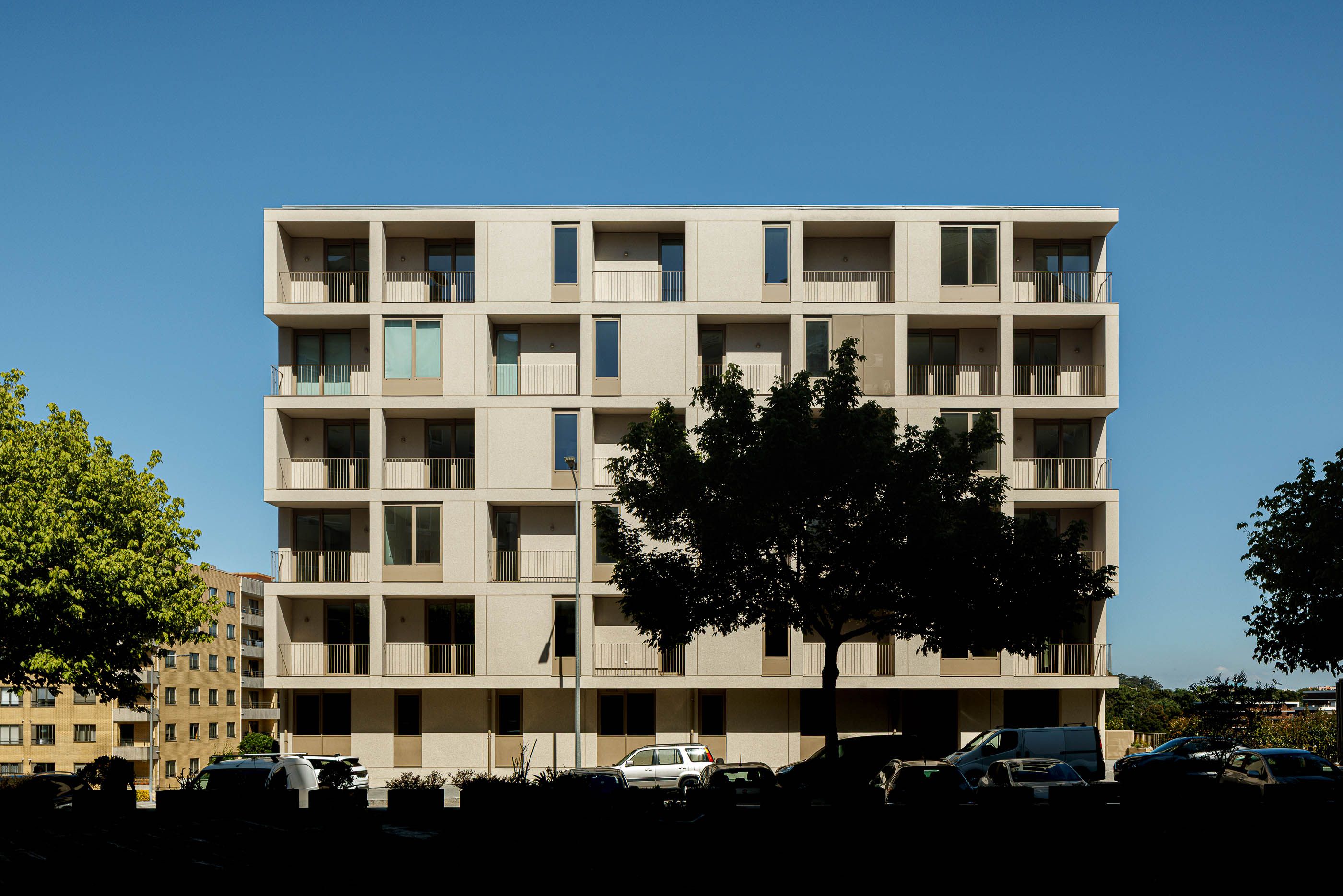
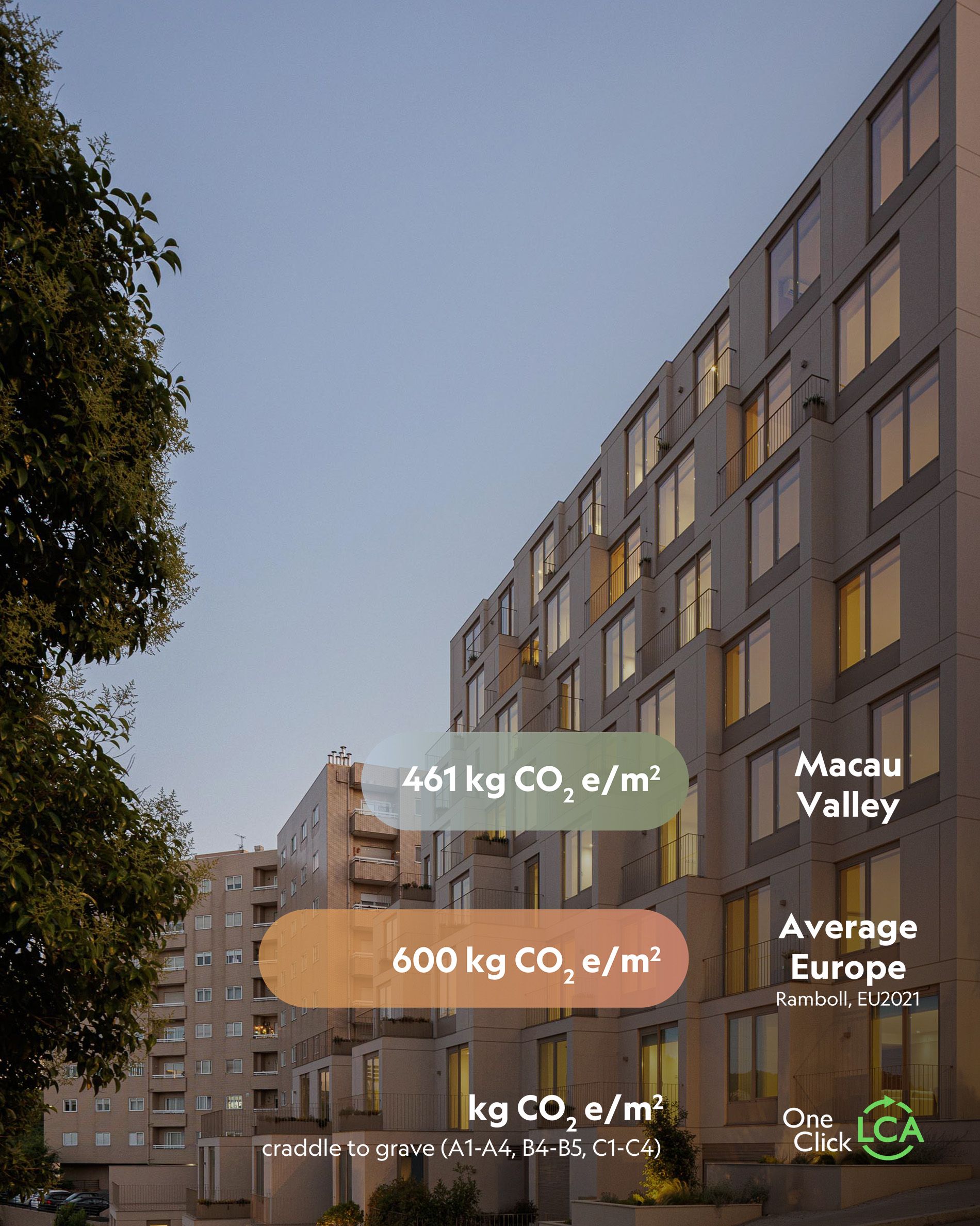
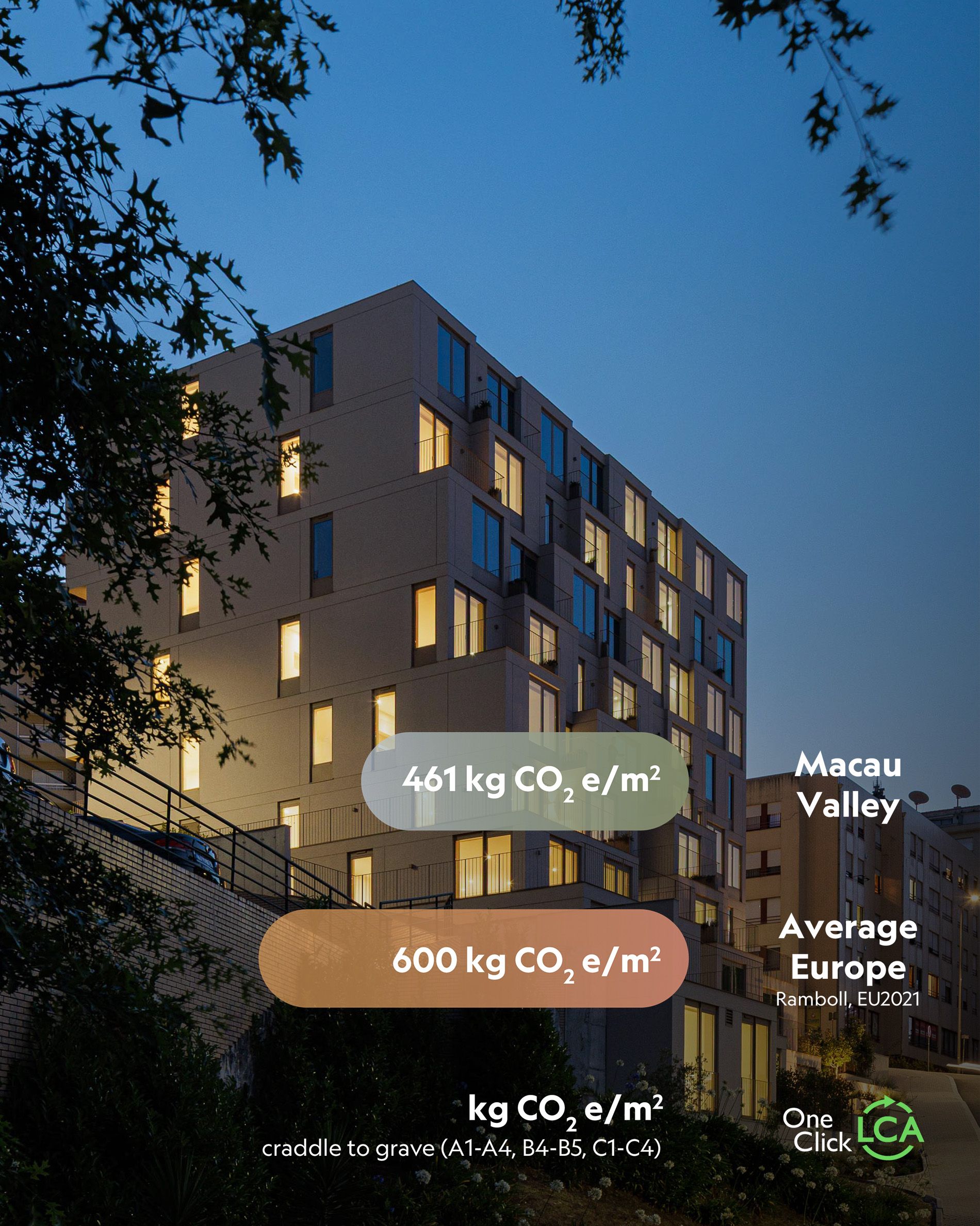
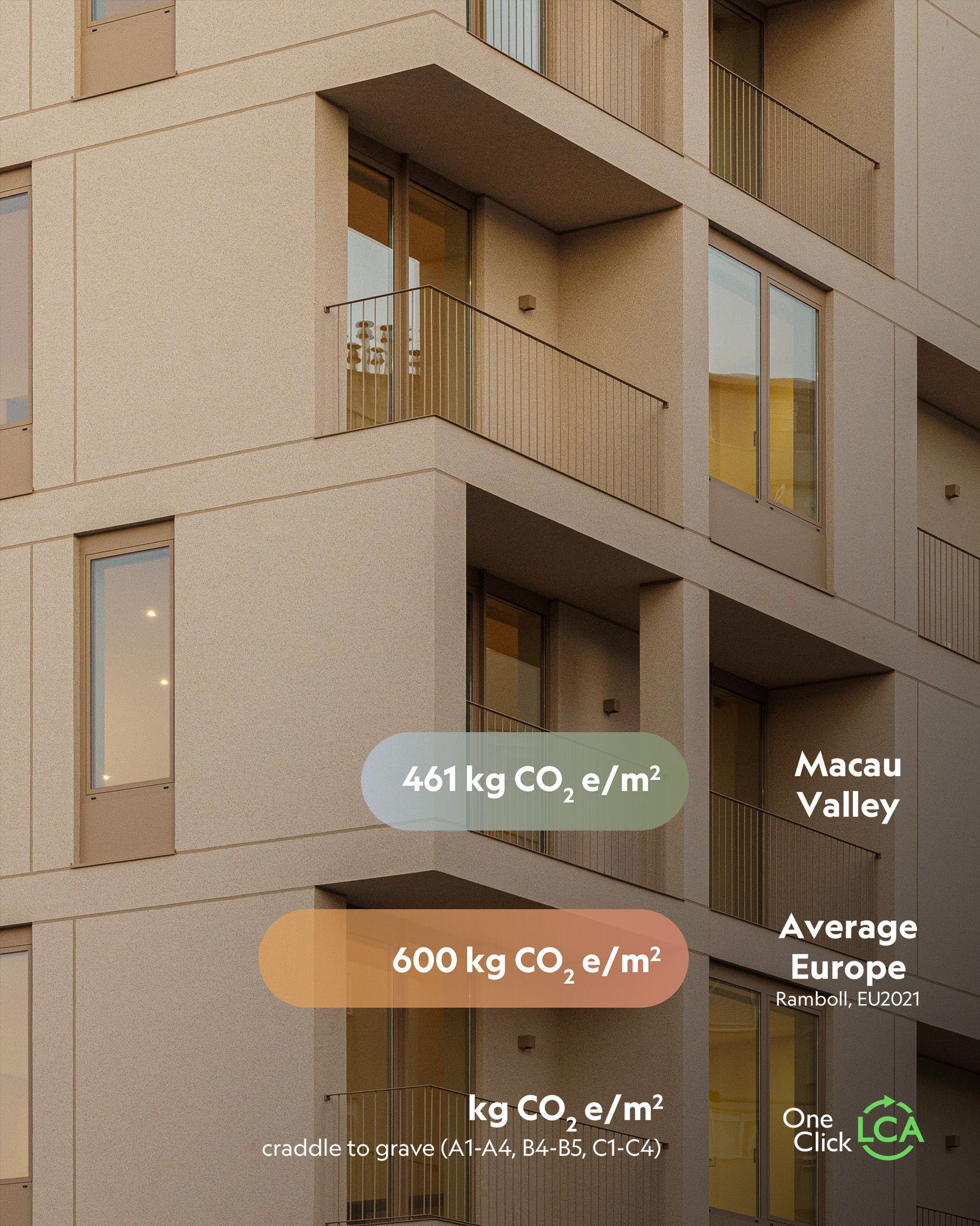
The project emerges from a close reading of the site’s topography and the surrounding urban fabric. The two defining streets that surround the plot differ by three floors between their highest and lowest points. Rather than treating the slope as a limitation, the building integrates it as a defining feature. Its base expands to merge with the terrain, minimising excavation and anchoring the project into the landscape. From there, the volume terraces upwards, eventually resolving into a clean rectangular profile in line with city guidelines and neighbouring buildings. This approach ensures both contextual continuity and a distinctive architectural identity.
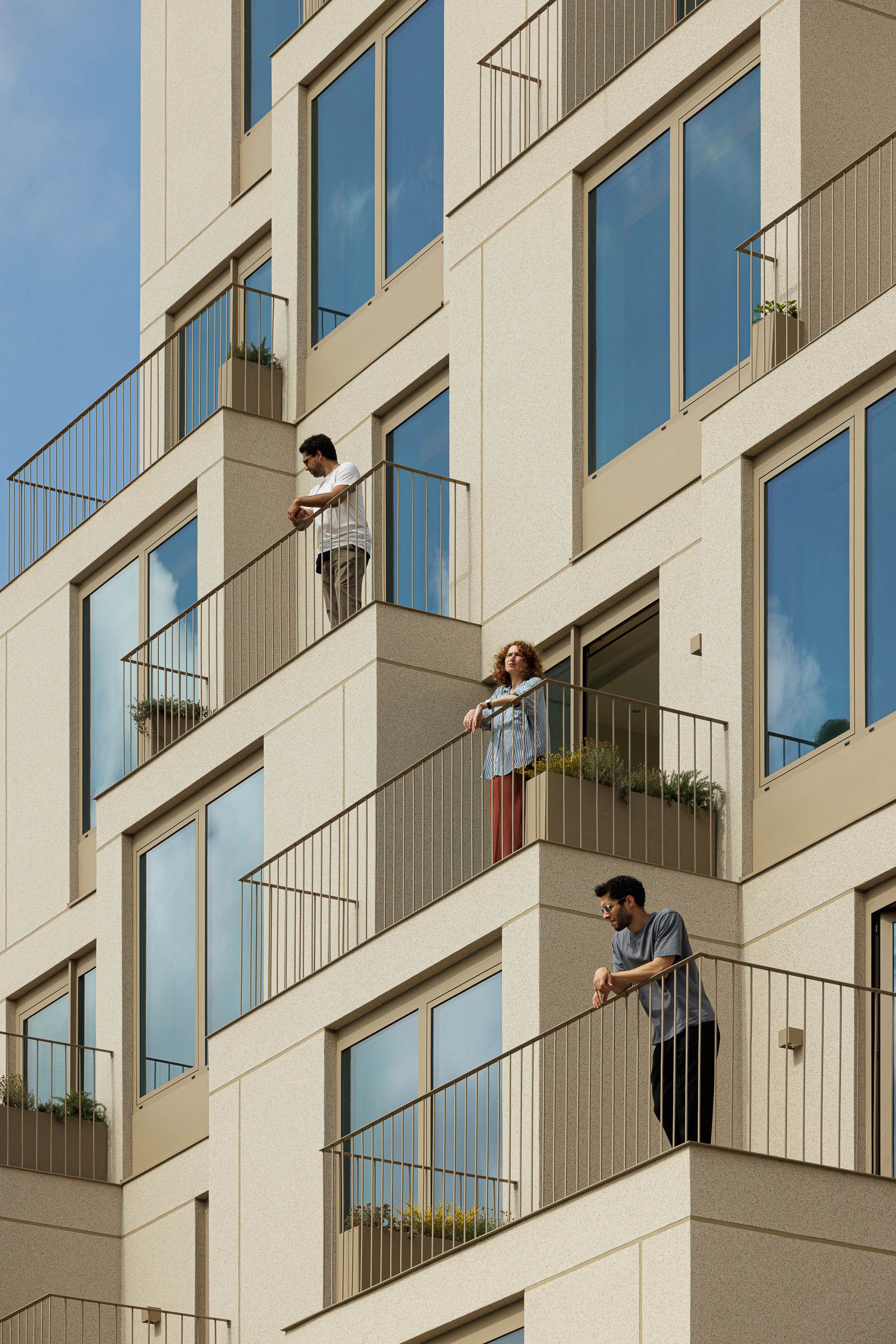
The terraced form serves multiple purposes. Compared to the predicted rectangular box, it maximises saleable area while potentiating apartments with generous daylight, natural ventilation, and expansive views. Outdoor spaces become a defining element: larger terraces at lower levels connect strongly with the ground, while slimmer balconies higher up establish a balanced hierarchy, redistributing value across the building rather than concentrating it at the top.
This stepped configuration also generates a vertical landscape. Greenery climbs from street level to the higher floors, softening the façade and extending nature into every apartment. The overlapping balconies allow subtle visual connections between dwellings, creating opportunities for neighbourly interaction, a sense of collective identity, community feeling and engagement.
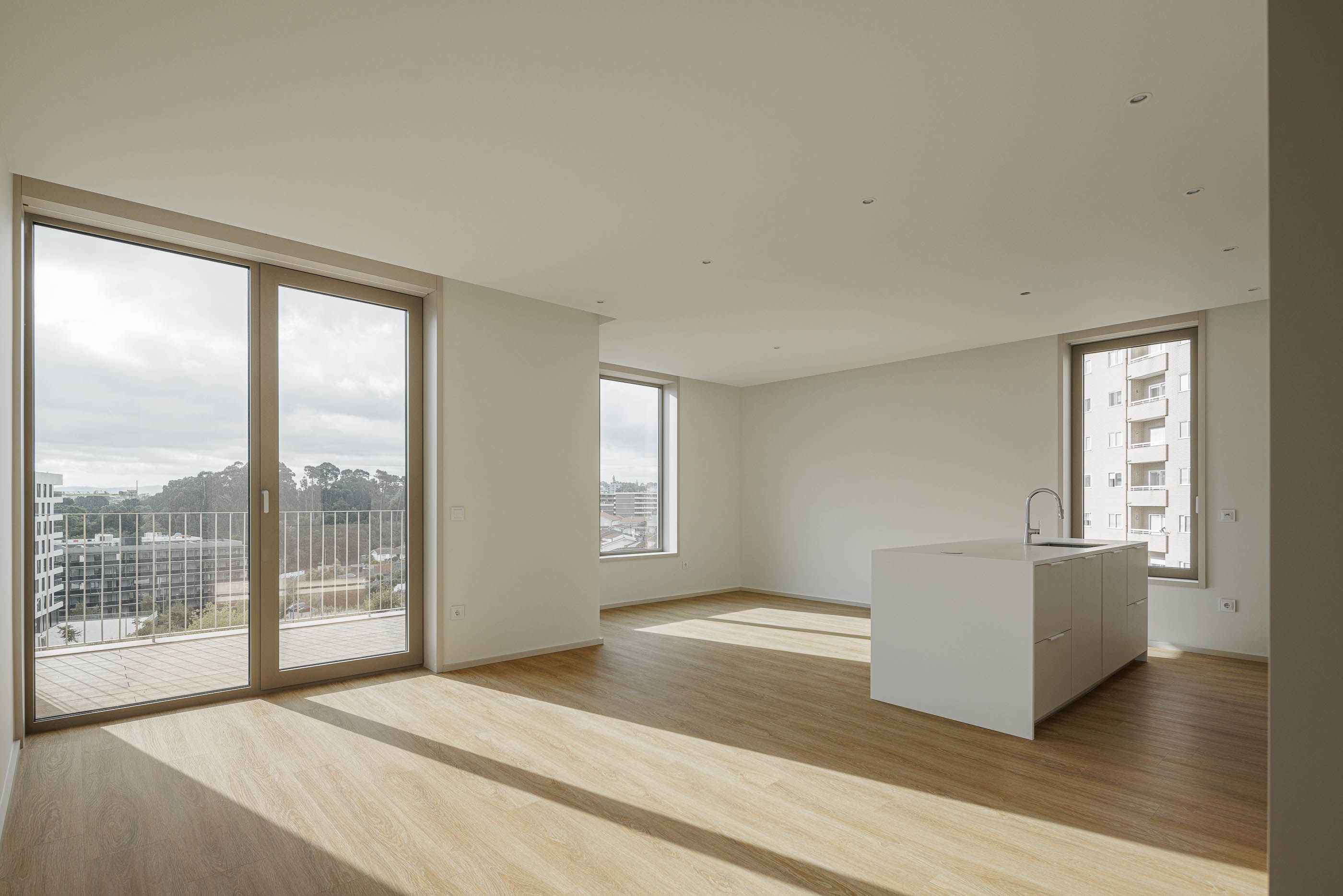
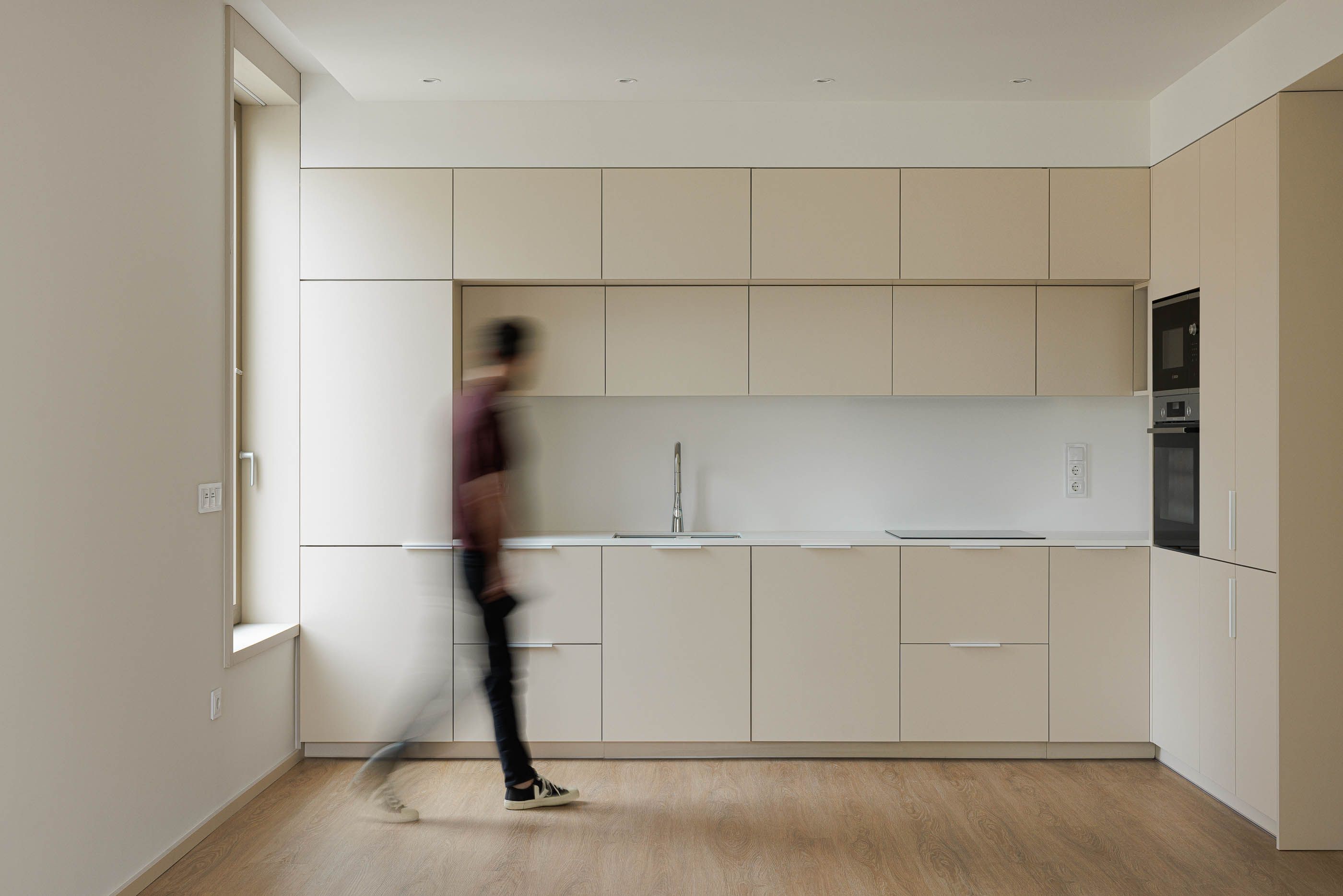
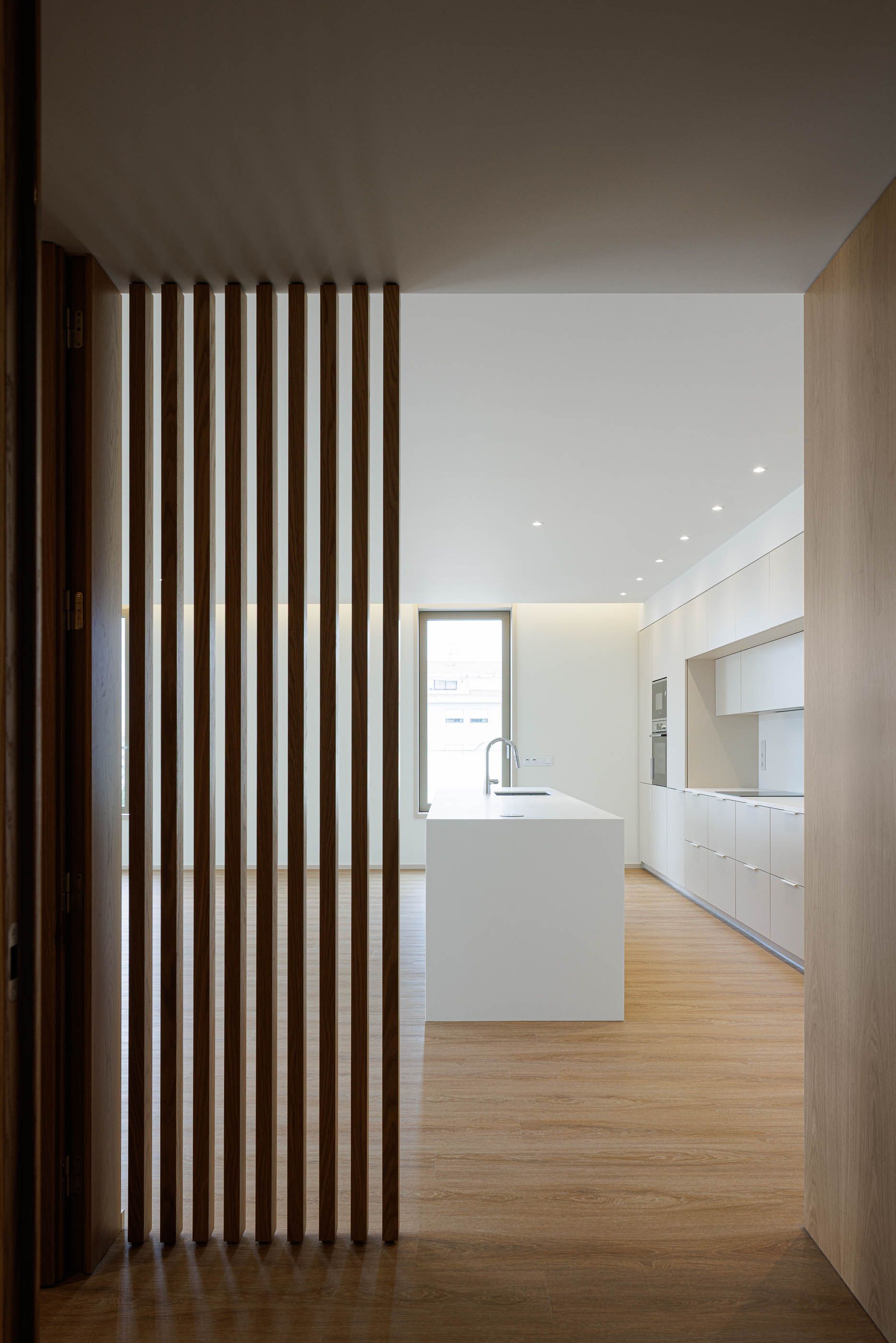
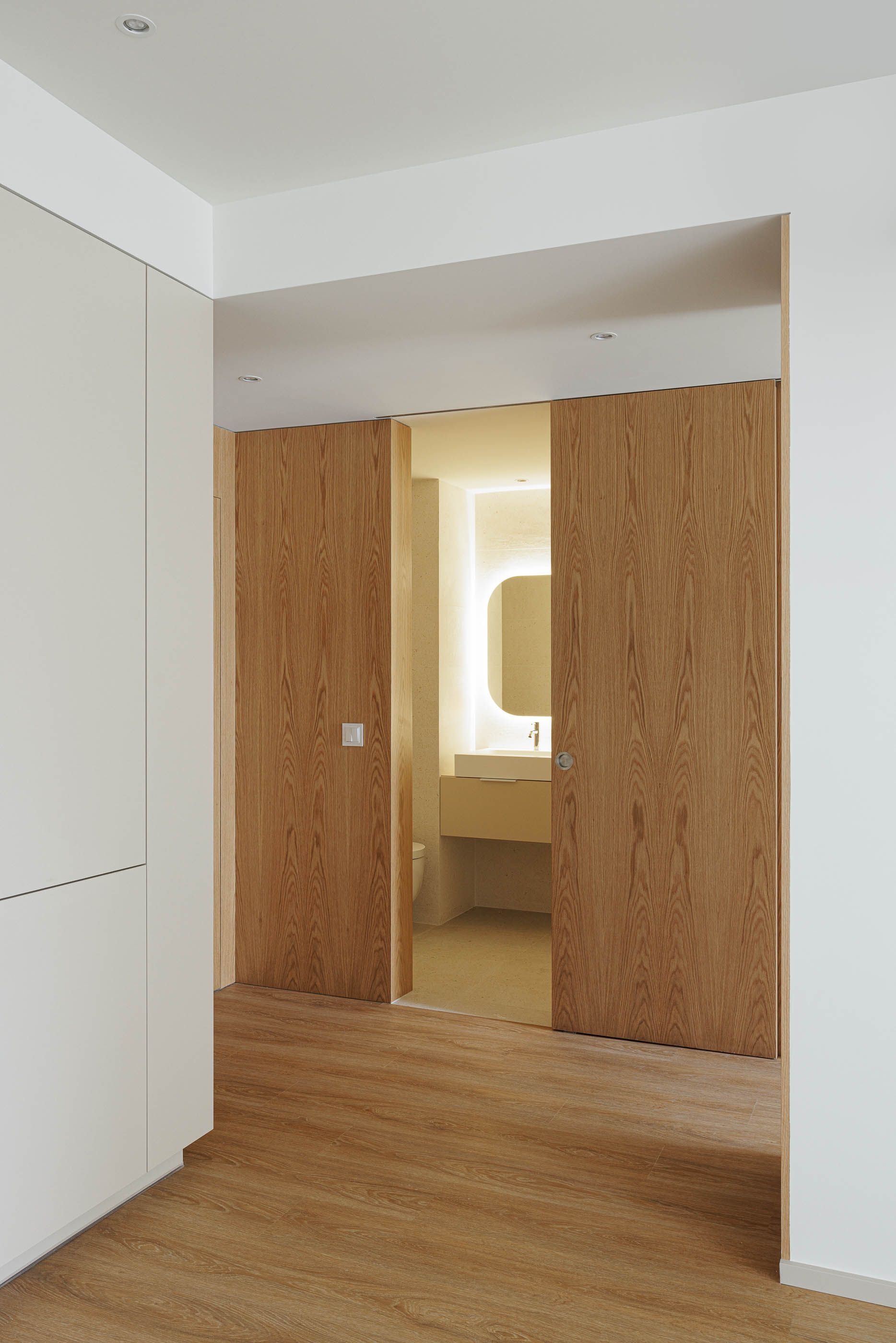
Inside, the apartments are designed to be spacious, in line with current downsizing market needs, with abundant natural light and high thermal, acoustic, and visual comfort standards. Careful material selection enhances this quality, with refined finishes and warm details such as timber entrance halls that lend character and warmth to the shared areas.
The project transforms the site's complexity into an opportunity to create efficient, bright homes with generous outdoor spaces, combining sustainability, quality of life, and urban integration. Developed for JMSA, it reflects a contemporary vision of residential living conceived for the present and the future.
Whole–Building Life–Cycle Assessment
As energy grids decarbonise, reducing operational demand is no longer sufficient to meet meaningful climate targets. Attention must shift to Embodied Carbon, focusing on the impact of materials and construction processes throughout the building life cycle. For Macau Valley, in Vila Nova de Gaia, we conducted a Whole–Building Life–Cycle Assessment (WBLCA) to inform design–stage decisions.
Key outcomes:
– Benchmark performance
A GWP of 481 kg CO₂e/m², below the European average of 600 kg CO₂e/m² and significantly under the Porto Environmental Index reference threshold of 700 kg CO₂e/m².
– Design–stage impact
Concrete and reinforcement steel account for the main hotspots, at 56.8% and 7%, respectively. Early–stage analysis allows specification optimisation and impact reduction.
– Outcome strategy aligned with decarbonisation
Steel with 97% recycled content and the assessment of biogenic insulation solutions, such as cork, to improve results.
Beyond performance validation, LCA structures decision–making. It anticipates impact, refines specifications and reduces emissions before construction begins.
Decarbonisation requires data, rigour and strategic intent. This is where we position our practice.
The study was conducted in partnership with Dosta Tec.